Breast
Augmentation

Enhance your natural silhouette with expert implant placement and artistry by Dr. Matwa Christopher, Founder & Lead Plastic Surgeon.

Duration
2-3 Hours
Type
Day Surgery
Recovery
4-6 Weeks
Book a Consultation

About Breast Augmentation

Augmentation mammoplasty is a surgical procedure that enhances the size, shape, and symmetry of the breasts using saline or silicone implants. It is one of the most commonly performed cosmetic procedures worldwide and is suitable for women who feel their breasts are too small, have significant asymmetry, or have lost breast volume following pregnancy, breastfeeding, or significant weight loss.

At Truffel Healthcare Kilimani, Dr. Matwa Christopher conducts detailed pre-surgical consultations to understand your aesthetic goals, body proportions, and lifestyle. Based on this comprehensive assessment, he recommends the optimal implant size, profile, and projection - as well as the most appropriate placement approach, whether subglandular (above the muscle) or submuscular (below the pectoral muscle).

The result is a natural-looking enhancement that complements your existing physique. Dr. Matwa's approach prioritises surgical precision and patient safety throughout, from implant selection to incision placement, ensuring outcomes that are both beautiful and long-lasting.

Schedule Your Consultation
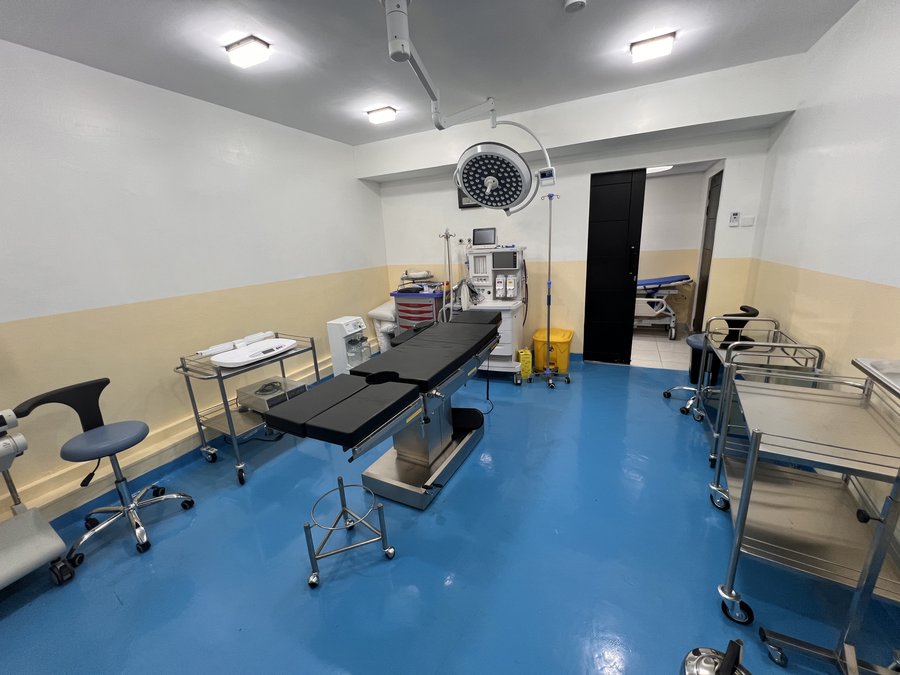
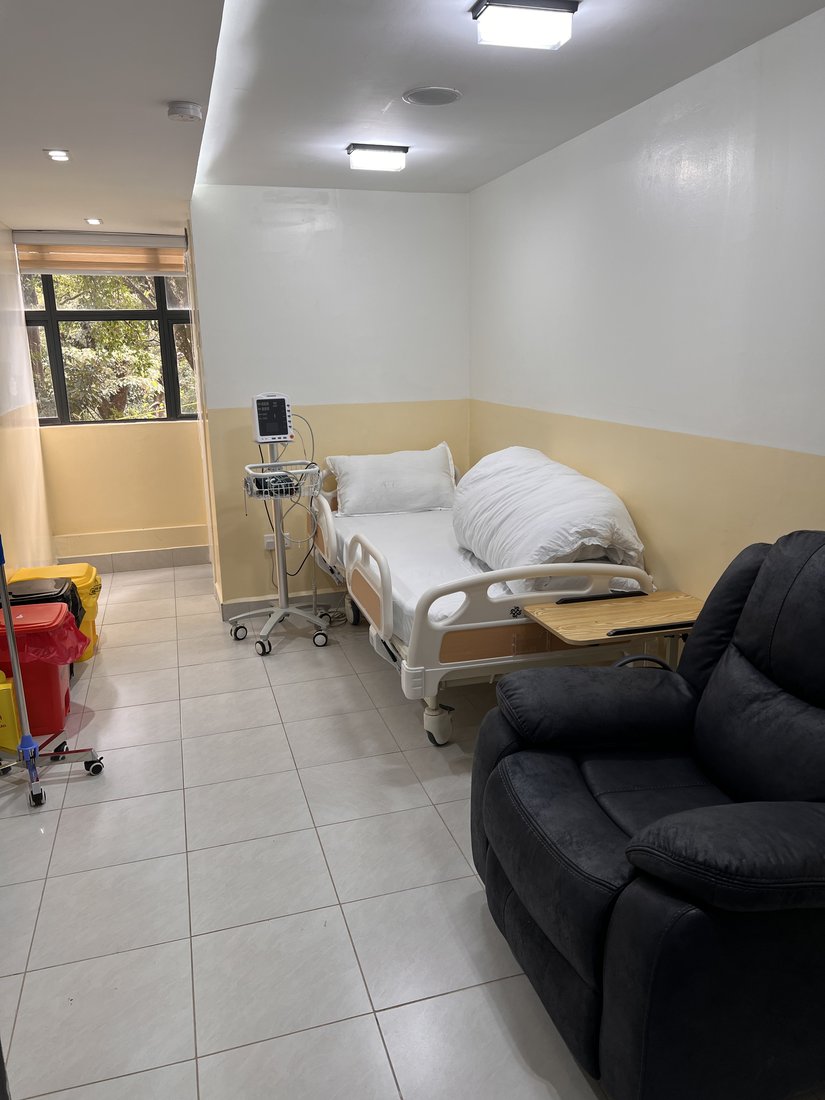
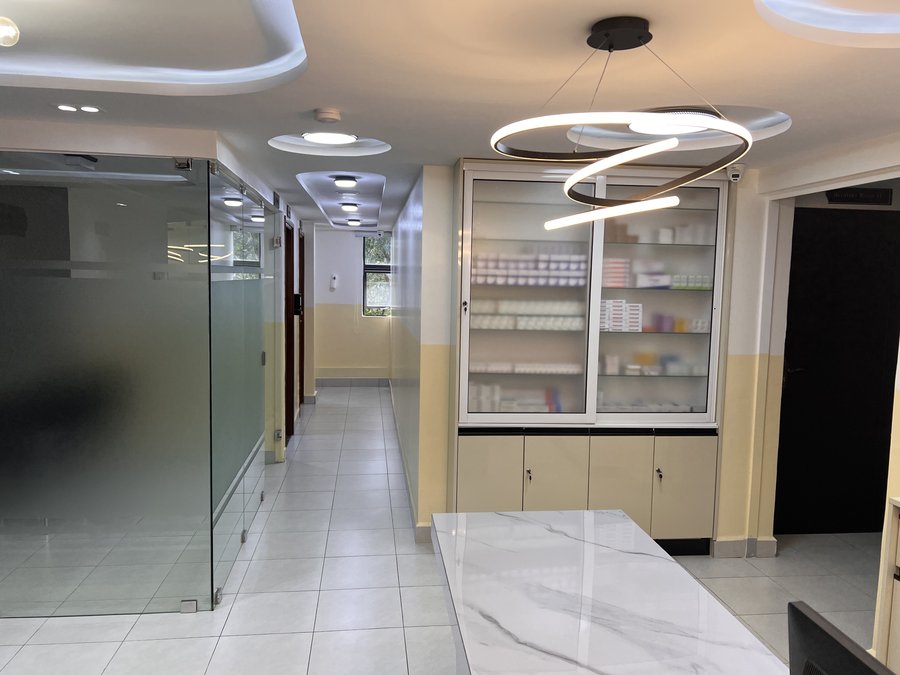
Breast Augmentation at Truffel Healthcare Kilimani

Benefits of Breast Augmentation

Enhanced Self-Confidence

Many patients report a significant improvement in self-esteem and body image following augmentation, feeling more comfortable and confident in clothing and daily life.

🌿

Restored Breast Volume

Pregnancy, breastfeeding, and weight loss can reduce breast fullness. Augmentation restores lost volume, returning the breasts to their pre-change shape.

⚖️

Improved Symmetry

Women with naturally asymmetric breasts can achieve a more balanced and harmonious appearance through carefully selected implant sizes tailored to each side.

🎯

Customised to Your Body

Every procedure is individually planned. Dr. Matwa selects implant shape, size, and placement specific to your anatomy and aesthetic goals - no one-size approach.

Long-Lasting Results

Modern implants are designed to be durable and long-lasting. With proper care and follow-up, results can be enjoyed for many years before any revision is needed.

🏥

KMPDC-Supervised Procedure

Dr. Matwa Christopher is fully licensed by the Kenya Medical Practitioners and Dentists Council, ensuring your procedure meets the highest medical and safety standards.

The Procedure Step by Step

  1. 1

    Consultation & Planning

    Dr. Matwa conducts an in-depth consultation, reviewing your goals, medical history, and current breast anatomy. Using measurements and discussion, he recommends the ideal implant type, size, and surgical approach. 3D imaging may be used to help visualise expected outcomes before committing to a plan.

  2. 2

    Anaesthesia & Incision

    The procedure is performed under general anaesthesia for your comfort and safety. A discreet incision is made - typically in the inframammary fold (beneath the breast), around the areola, or in the armpit - chosen to minimise visible scarring while providing optimal access for implant placement.

  3. 3

    Implant Placement

    A pocket is carefully created either beneath the breast tissue (subglandular) or beneath the pectoral muscle (submuscular). The chosen implant - saline or silicone - is inserted, centred, and positioned to achieve natural symmetry and projection. Both sides are checked for balance before closure.

  4. 4

    Closure & Recovery

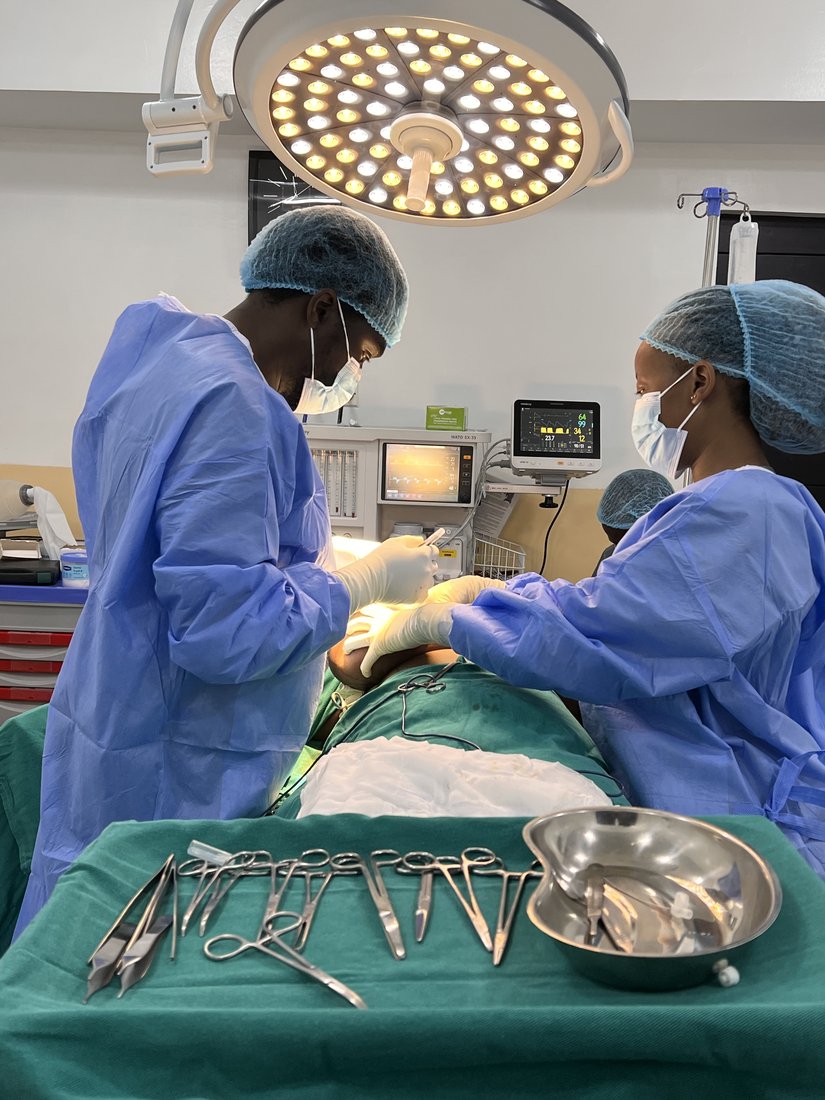
    Incisions are closed with layered sutures and covered with sterile dressings. You are fitted with a supportive surgical bra before leaving the theatre. Most patients are comfortable to go home the same day, with a follow-up appointment scheduled within the first week to monitor healing.

Breast augmentation procedure at Truffel Healthcare

Recovery Timeline

1
Days 1-3

Rest & Support

Plan to rest completely. Discomfort, tightness, and swelling are normal and managed with prescribed pain relief. Wear your supportive surgical bra continuously and avoid lifting anything heavier than 1 kg.

2
Weeks 1-2

Light Activity

Swelling and bruising begin to subside. Short, gentle walks are encouraged to aid circulation. Avoid raising your arms above shoulder height. Attend your first follow-up visit so Dr. Matwa can assess early healing.

3
Weeks 3-6

Back to Work

Most patients return to desk-based work by week three. Continue avoiding strenuous exercise and heavy lifting. The implants begin to soften and settle into their final position during this phase.

4
Month 3+

Full Results Visible

By the three-month mark, swelling has fully resolved and the implants have settled. You can now see and appreciate your final result. Exercise restrictions are lifted, and most normal activities may resume fully.

Frequently Asked Questions

Saline implants are filled with sterile salt water and have the advantage that any rupture is immediately apparent as the implant deflates and the fluid is safely absorbed by the body. Silicone implants are filled with a cohesive silicone gel that closely mimics the feel of natural breast tissue, making them the more popular choice for a natural look and feel. Both types are safe and extensively tested. Dr. Matwa will discuss which option is best suited to your anatomy and preferences during your consultation.
Breast augmentation is one of the most performed cosmetic surgeries globally and has a well-established safety record when performed by a qualified, experienced surgeon. At Truffel Healthcare, Dr. Matwa Christopher is KMPDC licensed and trained in plastic and reconstructive surgery. As with any surgical procedure, there are risks - including infection, capsular contracture, implant displacement, and changes in nipple sensation - which are thoroughly discussed during your pre-operative consultation. Pre-surgical screening is conducted to ensure you are a suitable candidate.
Scarring is an inevitable part of any surgery, but Dr. Matwa places incisions in locations that are naturally concealed - within the inframammary fold beneath the breast, around the lower edge of the areola, or within the armpit. Over 6-12 months, most scars fade significantly and become difficult to notice. Scar management advice, including silicone strips and sun protection, is provided as part of your post-operative care plan.
Many women breastfeed successfully after breast augmentation. The ability to breastfeed depends on the incision location and how much of the breast tissue and ducts are affected during surgery. Periareolar incisions carry a slightly higher risk of affecting milk ducts than inframammary or transaxillary approaches. If preserving the ability to breastfeed is important to you, discuss this clearly with Dr. Matwa so the surgical plan can be tailored accordingly.
Modern breast implants are not considered lifetime devices, but they are highly durable. Most patients do not require replacement for 10-20 years or more. You may need revision surgery if you experience a complication such as capsular contracture or rupture, or if you wish to change the size or shape of your implants. Regular follow-up appointments allow Dr. Matwa to monitor your implants over time and advise you if any changes are detected.

Ready to Enhance Your Confidence?

Take the first step toward the silhouette you've always envisioned. Book a private consultation with Dr. Matwa Christopher at Truffel Healthcare Kilimani today.

Truffel Healthcare
Hi there! 👋 Chat with us on WhatsApp.